Cat & Kitten Vaccinations


Enter a keyword below to search for articles and products.
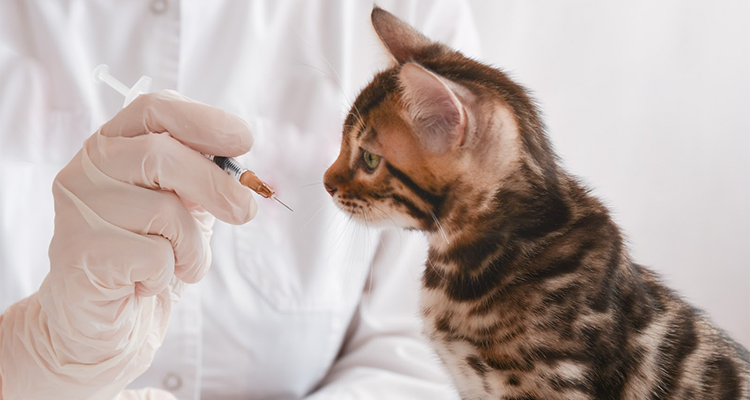

Bringing a new kitten into your family and home can be an exciting time, but there are also some crucial steps you’ll need to take within the first few weeks. Kitten vaccinations are extremely important for your kitten’s health and longevity and are a vital part of responsible pet care.
At a young age, kittens can be vulnerable to various diseases. This is why kitten vaccinations in the UK are advised to help build up their immune health, especially against core diseases such as cat flu, Feline Panleukopenia, Herpesvirus and Calicivirus. There are core vaccines recommended for all cats to be protected against these diseases, while non-core vaccines are also offered depending on your kitten’s lifestyle. We discuss this in further detail later.
In the UK, the kitten vaccination protocol varies slightly according to age and manufacturer’s guidelines, so always follow your vet’s advice. The process usually begins when they are around 8-9 weeks old. They receive the first injections at this time, with the second ones due 3-4 weeks later, when kittens are about 12-13 weeks old, to maximise immunity. Your cat will then receive a booster every 1-3 years, depending on their needs, to maintain their immunity.
Despite common misconceptions about rare side effects, kitten jabs are safe and effective, help prevent the spread of infectious diseases amongst the cat population and reduce future health problems and veterinary costs. Your veterinarian will discuss the vaccination schedule with you at your appointment, and it’s recommended to keep records as well. This is also an opportunity for the vet to assess your kitten’s physical health.
Cat flu is also known as Feline Influenza or Feline Upper Respiratory Infection (FURI). It’s a common respiratory illness that occurs in cats and affects the upper respiratory tract, including the nose, mouth and throat. Typically caused by Feline Herpesvirus and Feline Calicivirus, the symptoms of cat flu are similar to human flu. It includes coughing, sneezing, runny nose, runny eyes, mouth ulcers, fever and loss of appetite.
The FPV vaccine protects kittens against this highly contagious disease, also known as Feline Distemper, that targets the digestive and immune system. This disease can survive for years in the environment, causing sudden and severe diarrhoea and vomiting, dehydration, and potentially fatality. Kittens will receive their first dose at 8-9 weeks old, with a booster given 3-4 weeks later.
The FHV1 vaccine protects against Feline Viral Rhinotracheitis. This is a common cause of upper respiratory infections in cats, including symptoms such as sneezing, eye discharge and nasal congestion. The vaccine is given at 8-9 weeks old, with the booster being 3-4 weeks later.
The FCV vaccine protects against this virus that is another common cause of respiratory infections, as well as oral diseases. Besides sneezing and coughing, it can also cause mouth ulcers. Again, the first dosage is at 8-9 weeks and the booster 3-4 weeks later.
The FeLV vaccine is for kittens that spend time outdoors or live in muti-cat households, as this increases their risk of exposure to this lifelong infection. The virus can spread through direct contact like saliva and can suppress the immune system. In turn, this can lead to serious illness such as leukaemia, progressive anaemia or even cancers and tumours.
Offered in high risk situations, this vaccine protects against a bacterial infection that can cause respiratory issues, as well as conjunctivitis. It’s mostly recommended for kittens that are in catteries or shelters, as it spreads through direct contact, and these environments have higher risk of infection.
Similar to kennel cough in dogs, Bordetelle Bronchiseptica causes respiratory disease and cat flu-like symptoms. It’s ideal for kittens in multi-pet households or places with multiple cats where infections can spread easily.
Kittens should begin their vaccination schedule once they are around 8 or 9 weeks of age. Up until this point, natural antibodies from their mother’s milk will have provided enough immunity. After this age, however, the maternal antibodies begin to fade, so they’ll need the vaccines to build up their immune system.
The initial kitten injections will be the core vaccines we discussed earlier. Kittens will then receive a booster vaccine about 3 to 4 weeks after the first course, when they are around 12-13 weeks old. This further strengthens this immune system. It’s important to follow the delicate timing of kitten vaccinations, to avoid your feline friend being at risk of common diseases.
Once they’ve had these jabs, your kitten won’t need another booster until they’re 1 years old. Then, there’ll be annual boosters offered, or up to 3 years after, depending on the type of vaccine and veterinary advice on risk factors. In the UK, kitten vaccination schedules are tailored by the veterinarian according to each individual kitten’s needs, keeping them adequately protected.
For early core vaccinations, your kitten will have the first round at 8-9 weeks old. These vaccines will protect against FPV, FHV-1, FCV and FeLV. About 3-4 weeks later when the kitten is 12-13 weeks old, they will have the second course. It’s important this is done in a timely manner as it avoids gaps in their protection, which can make kittens vulnerable to disease, especially if they are going to go outdoors or live with other cats.
Booster vaccinations are necessary once your cat is 1 year old, and continue to be given every 1-3 years, depending on your cat’s specific needs. The initial vaccinations stimulate the immune system, while the booster vaccinations help to maintain immunity and keep the immune system strong.
There’s a common misconception that boosters are unnecessary and that the initial vaccinations protect cats for life. However, over time, immunity can weaken and protection can fade, which is why boosters help remind the immune system to stay alert. Without boosters, cats can be more vulnerable to disease. In terms of side effects to vaccinations, these are mild and temporary, while having kitten jabs can ensure lifelong health.
Kitten vaccinations can protect them against several diseases that can otherwise be serious and potentially fatal.
The core vaccines we outlined earlier are for four main diseases: Feline Panleukopenia (FPV), Feline Herpesvirus (FHV-1), Feline Calicivirus (FCV) and Feline Leukaemia Virus (FeLV). FPV can be life-threatening for young kittens without a vaccination, especially as it attacks the immune system. FHV-1 and FCV can lead to chronic health issues if not treated, affecting a cat’s quality of life. FeLV weakens the immune system and may cause cancer.
However, as long as your kitten is fully vaccinated according to the recommended schedule, they will be protected from core diseases. This also helps to reduce the spread of disease and protect other cats by minimising outbreaks.
It can still be possible for your kitten to catch a cold. If you’re worried about symptoms, here’s some further advice on how to tell if your kitten is sick.
Feline Panleukopenia, also known as Feline Distemper, is a highly infectious and potentially fatal disease. Feline Distemper attacks the bone marrow and immune system, reducing the number of white blood cells. As a result, cats are more vulnerable to other infections.
The common symptoms with this disease include sudden high fever, diarrhoea, bloody stools and vomiting. This can also lead to dehydration and lethargy. If you notice any of these symptoms, it’s important to consult a veterinarian straight away, as the disease can quickly become life-threatening.
The FPV vaccine is part of the core kitten vaccination schedule. It helps their immune system to recognise the virus and fight it before the illness occurs. Keeping your kitten vaccinated not only protects them from the disease, but also reduces it within the cat population.
Feline Herpesvirus and Calicivirus are two common causes of respiratory infections in kittens and cats and are both highly contagious. FHV-1 can cause Feline Viral Rhinotracheitis, including watery eyes and inflammation, nasal discharge and sneezing. FCV is similar, but can also cause drooling, mouth ulcers and lethargy. Besides cat flu-like symptoms, FHV can also cause eye and skin issues, and FCV can cause inflammation in the joints, as well as gum and mouths.
Also part of the core vaccination schedule, these kitten jabs help reduce the spread of ‘cat flu’ between cats as it occurs through direct or close contact. Although it doesn’t prevent infection, it lessens the effects of symptoms and improves recovery time.
If you’re concerned about the cost of kitten vaccinations in the UK, there are cost-effective options you can go for without compromising care. Veterinary practices often offer vaccination packages or health plans that will either include your kitten’s injections or provide them at a reduced price. You can also ask your veterinarian to only provide the vaccinations recommended to your kitten, their health and lifestyle, so you only pay for what’s necessary.
You may also find animal charity organisations or rescue centres that run vaccination clinics at a low cost. This can help those struggling to afford the vaccination schedule, while still making sure your kitten receives care. Make sure to stay up-to-date on boosters, otherwise this can cost you more in the long run.
It’s helpful to plan and budget ahead of time before your kitten arrives, so you’re prepared to get the vaccinations done at the recommended age.
Regular veterinary consultations are very important, especially for kittens. This allows your veterinarian to develop a kitten vaccination schedule that’s tailored to their needs depending on their age, health, lifestyle and risk of exposure. For instance, outdoor kittens or kittens in multi-cat households will need different vaccinations compared to indoor kittens.
Visiting your veterinarian also gives you the opportunity to discuss your kitten’s vaccination schedule in detail, including timing and side effects. You can also have your kitten’s health checked, including their weight and a medical examination. It’s also helpful to discuss any behaviours or symptoms you’re concerned about. This level of care supports your kitten’s overall health and well-being.
In general, vaccinations are very safe, effective and essential for protecting kittens from serious diseases. However, just like any medical treatment, there can occasionally be mild side effects. This can include temporary soreness or swelling around the kitten’s injection point. They may also have a reduced appetite, be slightly lethargic or experience a mild fever, however this doesn’t last long and will resolve after a day or two. Kittens usually won’t need treatment for these, and most cats don’t experience much of a reaction at all.
There are rare situations where kittens may have an allergic reaction to the vaccination. This may include symptoms such as facial swelling, itching or vomiting. It’s uncommon for the reaction to be severe, but in case it happens, your kitten will need urgent veterinary attention. To be safe, it’s best to monitor your kitten closely for 24 to 48 hours after having a vaccination. Always consult a veterinarian if you notice any unusual symptoms.
However, be rest assured that the benefits of kitten jabs far outweigh any risks of side effects. In fact, the risk of these diseases can be life-threatening, which is far more dangerous than mild side effects from vaccinations. A proper vaccination schedule can protect your kitten through their life.
If you’ve recently adopted a new kitten, or planning to do so, you may be wondering whether they would have already been vaccinated. In the UK, cat shelters and adoption centres typically do ensure that kittens have their first dosage of core vaccinations before they leave. This helps protect kittens from common infectious diseases who would otherwise be vulnerable at this early age.
While this is typically the case, vaccination protocols can vary according to the organisation. Regardless, when you adopt a kitten, you should be provided with information about the kitten’s health, including veterinary records and vaccinations administered. This can help you to prepare for the arrival of your kitten. If not, you should organise a veterinary appointment promptly after bringing your kitten home.
If you’re adopting a kitten, it’s important to ask for their vaccination records. This will help you determine which injections your kitten has already received and when. You can then schedule their booster vaccinations accordingly. If this information isn’t given, you should consult a veterinarian for guidance. Learn more about how to check your kitten’s health.
Ultimately, it’s essential to be well-prepared before you bring a new kitten home. It’s helpful to do your research about local veterinarians, as well as planning ahead for vaccination costs, timings and schedules. By following the kitten vaccination schedule closely and staying on top of booster vaccinations, you can ensure your kitten has strong and lasting immunity. This will create the foundation for a happy and healthy life for your feline friend.
Kittens should have their first set of vaccinations when they are around 8-9 weeks old, with the second set given 3-4 weeks later. Before then, your kitten will have gained some immunity from their mother’s milk. The vaccinations strengthen and maintain their immunity against serious diseases.
Kittens require the core vaccinations against cat flu, Feline Panleukopenia (FPV), Herpesvirus (FHV-1), Calicivirus (FCV) and Leukaemia Virus (FeLV). However, depending on your kitten’s health and lifestyle, they may also need other non-core vaccines, and your veterinarian can advise on this if they do.
After the second vaccination, kittens can begin to go outside around 1-2 weeks after. This allows enough time for their immunity to build up and be better protected against serious illnesses. However, it’s best to check with your veterinarian for specific guidance. Learn more about when kittens can go outside.
Subscribe to our newsletter to receive a welcome discount, useful tips and exciting news about our products.
Discount code valid until 31.12.2026 on a purchase of WHISKAS® products on www.zooplus.co.uk. Zooplus minimum order £10, code cannot be used in conjunction with other offers or discounts. Code valid for one time use.


Click to buy from any of the retailers below